
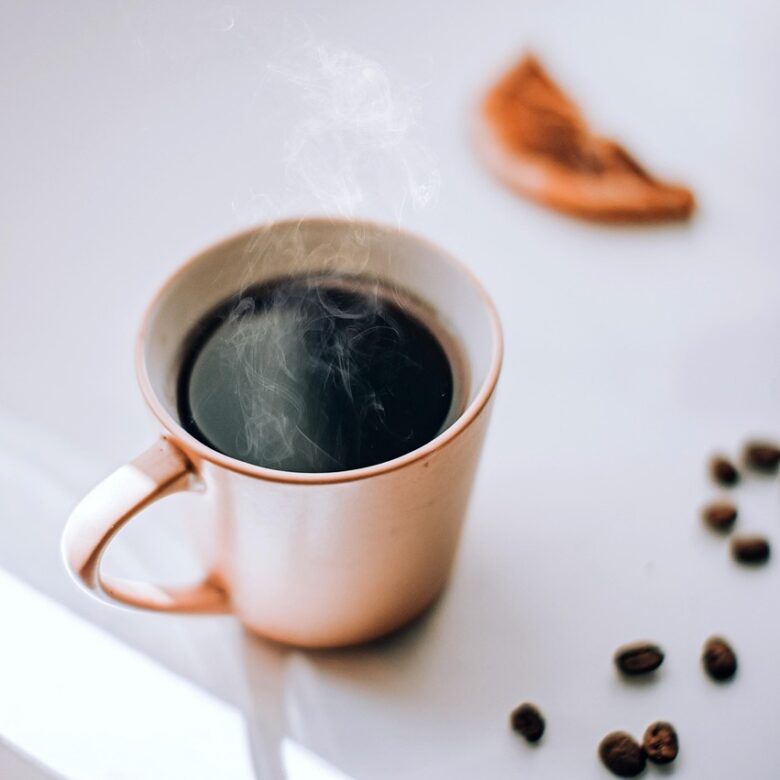
Starting your day with mycotoxin-free coffee is one of the simplest ways to enjoy a clean, energizing brew without the hidden toxins slowing you down. For many people, coffee isn’t just a drink; it’s a daily ritual. The rich aroma, the first warm sip, and the energy boost it brings are part of what makes mornings bearable. But while coffee is beloved worldwide, what’s often overlooked is what’s actually in your cup.
Many coffee drinkers focus on flavor, caffeine content, or roast type, but few realize that their coffee could contain harmful compounds called mycotoxins. These toxins can infiltrate your brew before it reaches your coffee pot, potentially impacting your energy, focus, and long-term health.
As functional practitioners, we run toxin testing and often see people with high toxic loads. Switching to mycotoxin-free coffee is one delicious way we recommend to reduce your toxin load.
It’s why we created our non-toxic living store. Where you can trust every brand we carry. This article will explore what mycotoxins are, why they matter, and how switching to cleaner coffee can transform your morning routine.
What Are Mycotoxins and How Do They End Up in Coffee?
Mycotoxins are toxic substances naturally produced by certain molds. These molds can grow on coffee beans during cultivation, harvesting, drying, or storage, particularly when the beans are exposed to warm, humid conditions. Once the beans are contaminated, the toxins can remain even after roasting and grinding.
While regulations exist in some countries to limit mycotoxin levels in food, not all coffee brands test their beans for these toxins. This means your morning coffee could contain trace amounts of harmful compounds, even if it tastes fine.
Why Mycotoxin-Free Coffee Is a Better Option
Choosing mycotoxin-free coffee isn’t just a trend, it’s a way to ensure that your daily brew supports your health rather than undermines it. Here are the top benefits of making the switch:
1. Cleaner, Steadier Energy
Have you ever noticed that some cups of coffee leave you feeling wired, anxious, or crashing an hour later? Mycotoxins can interfere with how your body processes caffeine and energy production, leading to mood swings, jitters, and fatigue. By removing these toxins, mycotoxin-free coffee provides a cleaner energy boost, helping you feel alert and focused without the rollercoaster crash.
2. Improved Mental Clarity and Focus
Brain fog is one of the most common complaints among coffee drinkers. While caffeine is meant to sharpen focus, mycotoxins can have the opposite effect, disrupting cognitive function. Switching to mycotoxin-free coffee often results in clearer thinking, better concentration, and enhanced productivity, especially for those who rely on coffee to kickstart their workday.
3. Long-Term Health Protection
Repeated exposure to mycotoxins has been linked to immune suppression, inflammation, liver damage, and even increased cancer risk. While the amounts found in coffee are typically low, daily consumption over time can add up. By choosing mycotoxin-free coffee, you’re taking a preventative step toward protecting your long-term health.
4. Better Taste and Aroma
Contaminated beans can alter the natural flavor profile of coffee, resulting in a bitter, musty, or overly acidic taste. High-quality, mycotoxin-free coffee typically uses carefully sourced beans grown at high altitudes, processed under strict conditions, and roasted with care. The result? A richer, smoother, and more enjoyable cup of coffee.
How to Identify Mycotoxin-Free Coffee
Not all coffee brands are transparent about mycotoxin testing, so here’s what to look for when choosing a clean coffee option:
Third-Party Testing: Reputable brands will openly share test results showing their beans are free from mold and toxins.
Organic and Freshly Roasted: Organic farming reduces pesticide exposure and supports cleaner bean production. Fresh roasting and proper storage prevent mold development.
Trusted Specialty Brands: Companies like Hiker Coffee cater to health-conscious consumers. They test their beans for mycotoxins, heavy metals, and pesticides while using high-quality flavoring ingredients. No seed oils are used.
The Hidden Cost of Cheap Coffee
It’s tempting to grab the most affordable coffee on the shelf, but low prices often mean shortcuts in sourcing, harvesting, and storage. Bulk beans may sit for months in humid warehouses, increasing the risk of mold contamination. Cheaper coffee brands are also less likely to invest in third-party testing.
By contrast, mycotoxin-free coffee is an investment in your health, offering a higher quality product that’s safer for your body and more sustainable for the environment.
How to Brew the Cleanest Cup Possible
Even the best beans can be compromised if brewing and storage conditions allow mold or bacteria to grow. Here are some tips to keep your coffee as clean as possible:
Store beans in an airtight, opaque container in a cool, dry place.
Use filtered water to avoid impurities that affect flavor and quality.
Clean your coffee maker regularly to prevent mold build-up.
Buy coffee in smaller batches to ensure maximum freshness.
Combining mycotoxin-free coffee with clean brewing practices gives you the purest, healthiest cup every morning.
Upgrade Your Morning Ritual
Coffee should make you feel good—not drained, foggy, or jittery. By switching to mycotoxin-free coffee, you’re choosing beans that are cleaner, healthier, and have a better taste. This small change in your daily routine can…
Give you smoother, more stable energy throughout the day.
Improve your mental clarity and focus naturally.
Support your long-term health goals by avoiding harmful toxins.
Elevate your overall coffee experience with richer flavor and aroma.
Your morning ritual sets the tone for your entire day. Why settle for coffee that could be holding you back? Instead, reach for mycotoxin-free coffee—a simple, powerful upgrade for your body, mind, and morning routine. If you’re looking for the perfect solution, we highly recommend Hiker Coffee, a local, trusted brand that offers clean coffee and a transparent process to ensure quality.