
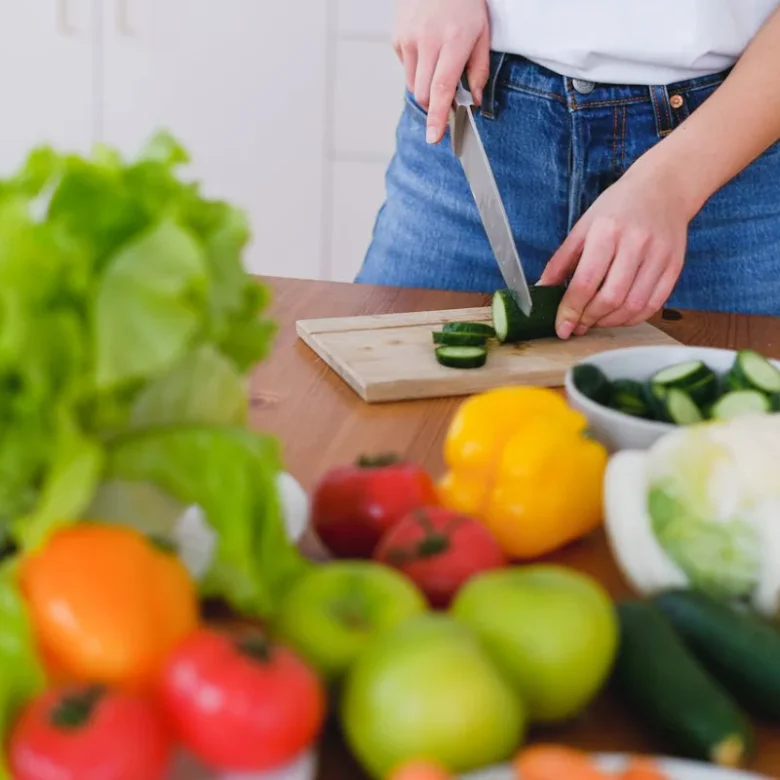
Inflammation isn’t always obvious, but it often shows up in ways people feel every day—joint discomfort, low energy, digestive issues, or skin flare-ups that seem to come out of nowhere. At Wholistic Nutrition, one of the first places we look is the kitchen. Anti-inflammatory cooking isn’t about perfection or restriction. It’s about making small, strategic changes that support the body instead of working against it.
If you spend any time on the Wholistic Nutrition Instagram page, you’ll see this in real life. I love sharing photos of Jeff and I as we prepare some of our everyday meals, from dinners to meal prep, and the using the kind of wholesome ingredients that actually make a difference in our health. My social media isn’t about complicated recipes. It’s about showing how these choices fit into real routines.
It’s important to know that inflammation isn’t just tied to what you eat, but how you prepare it. The good news is that a few thoughtful swaps can shift the entire direction of your health without making meals complicated or overwhelming.
Why Anti-Inflammatory Cooking Matters More Than You Think
Inflammation is part of the body’s natural defense system, but when it becomes chronic, it can contribute to a wide range of health concerns. This is where daily habits start to add up and matter more than occasional “healthy” choices.
Cooking at home is one of the most effective ways to reduce inflammatory triggers because it puts you in control. You’re not relying on hidden oils, preservatives, or additives that often show up in packaged foods or restaurant meals.
Your kitchen can either be a source of stress on the body or a place where healing begins. Anti-inflammatory cooking gives you a way to support your system consistently, without relying on extremes.
Swap #1: Replace Seed Oils with Stable Cooking Fats
One of the most impactful changes you can make is switching out highly processed seed oils like canola, soybean, and corn oil. These oils are often refined at high temperatures and can become unstable when heated again during cooking.
Instead, opt for more stable fats like avocado oil, olive oil (for lower heat), coconut oil, or grass-fed butter. These options are less likely to oxidize and contribute to inflammation when used appropriately.
This single shift tends to have a ripple effect. When clients remove inflammatory oils, they often notice improvements in digestion, energy, and even skin clarity over time.
Swap #2: Upgrade Refined Grains to Whole, Nutrient-Dense Options
Refined grains like white flour and conventional pasta break down quickly in the body, which can lead to blood sugar spikes and increased inflammatory responses. Over time, this pattern can contribute to fatigue, unhealthy food cravings, and metabolic stress.
Swapping in whole, less processed options like quinoa, brown rice, or sprouted grain products can help stabilize blood sugar and provide more nutrients with each meal.
You don’t have to overhaul everything at once. Even replacing one or two staples in your weekly routine can start to shift how your body responds to food.
Swap #3: Trade Processed Sauces for Simple, Real Ingredients
Many store-bought sauces and dressings are loaded with added sugars, low-quality oils, and preservatives.
A simple shift is to make quick, homemade versions using olive oil, lemon juice, herbs, and clean spices. Not only does this reduce inflammatory inputs, but it also enhances flavor in a way that feels fresh and satisfying.
This is one of those changes that tends to stick because it becomes easier and easier to make your own sauces, once you get started. Meals start to taste better, not more restrictive.
Swap #4: Choose High-Quality Protein Sources
Protein quality plays a bigger role in inflammation than most people expect. Highly processed meats or commercially raised animal products can contain additives or imbalanced fatty acid profiles that contribute to inflammation.
Instead, focus on cleaner protein sources like grass-fed beef, pasture-raised poultry, wild-caught fish, or well-sourced plant proteins. These options provide essential nutrients without the same inflammatory burden.
When paired with balanced meals, high-quality protein can also support hormone health, muscle repair, and steady energy levels throughout the day.
Swap #5: Replace Processed Snacks with Whole Food Options
Processed snacks like chips, crackers, and packaged snack bars can contain refined oils, additives, and hidden sugars that keep the body in a low-grade inflammatory state.
Swapping in whole food options like fresh fruit, nuts, boiled eggs, or simple homemade snacks can make a noticeable difference. These choices provide real nourishment instead of empty calories.
This doesn’t mean snacks need to disappear. It just means they can start working for your body instead of against it.
The Bigger Picture: Consistency Over Perfection
One of the most common patterns we see is people trying to change everything at once, then feeling overwhelmed and slipping back to old habits. Anti-inflammatory cooking works best when it feels sustainable.
You don’t need to have a perfect kitchen or eliminate every inflammatory ingredient overnight. The goal is to create a pattern of support that builds over time.
At Wholistic Nutrition, we often remind clients that the body responds to consistency. Small, repeated choices matter far more than occasional “perfect” days.
Supporting Inflammation Beyond the Kitchen
While food is foundational, some individuals benefit from additional support to kickstart your progress or especially if inflammation has been present for a long time.
Targeted supplements like Nature Pro-Fen can be part of a broader strategy to help the body regulate inflammatory pathways and support recovery. A supplement will work best when layered on top of a solid foundation of anti-inflammatory cooking and lifestyle habits.
Personalized guidance is another valuable resource. Everyone’s triggers and needs are different, and having a plan that fits your body can make the process feel much more manageable.
Bringing It All Together
Anti-inflammatory cooking doesn’t require complicated recipes or drastic changes. It starts with awareness and a willingness to make small shifts that add up over time.
When you begin to swap out inflammatory ingredients for more supportive ones, you create an environment where the body can function more efficiently. Energy becomes more stable, digestion improves, and many people begin to feel more like themselves again.
If you’re ready to take the next step, explore how targeted support like Nature Pro-Fen can fit into your routine and complement the changes you’re making in your kitchen. At Wholistic Nutrition, we can help you connect the dots, identify what your body actually needs, and build a plan that feels realistic and sustainable. Reach out to get started today!
Frequently Asked Questions:
What is anti-inflammatory cooking?
It focuses on preparing foods in ways that reduce inflammation, using whole ingredients and stable cooking methods.
Which oils are best for anti-inflammatory cooking?
Avocado oil, olive oil, coconut oil, and grass-fed butter are commonly recommended for their stability and nutrient profile.
Do I need to avoid all processed foods?
Not completely, but reducing reliance on heavily processed foods can significantly lower inflammatory inputs.
Can anti-inflammatory cooking help with fatigue?
Yes, stabilizing blood sugar and reducing inflammation can improve energy levels over time.
How quickly will I notice results?
Some people notice changes within weeks, while others may take longer depending on overall health and consistency.
Is anti-inflammatory cooking expensive?
It can be done on a budget by focusing on simple, whole ingredients and making gradual swaps.
What are the biggest inflammatory foods to avoid?
Highly processed foods, refined sugars, and unstable oils are among the most common contributors.
Can kids benefit from anti-inflammatory cooking?
Yes, these principles support overall health for all ages, including growing children.