
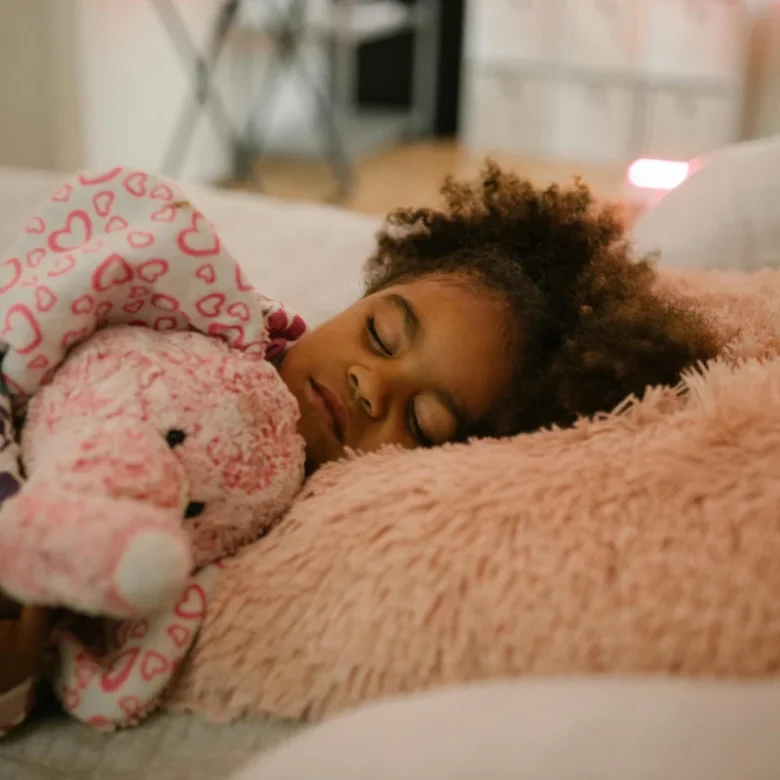
If your child struggles to fall asleep, wakes frequently, or seems unusually alert at bedtime, you’re not alone. Many parents assume sleep challenges are behavioral or developmental, but for some children, the root cause runs deeper than routines or screen time.
One often-overlooked factor is the connection between kids’ gut health and histamine regulation. Histamine is a natural chemical messenger involved in immune responses and brain signaling, and it plays a key role in keeping the body awake during the day and allowing it to rest at night.
Because much of histamine processing happens in the gut, imbalances there can prevent histamine levels from lowering in the evening. This can overstimulate a child’s nervous system and cause them to struggle to fall asleep.
Gut Health & Sleep Regulation
The gut is deeply connected to the nervous system through the gut-brain axis, a communication pathway that helps regulate mood, immune responses, and sleep-wake rhythms. In children, this system is still developing, which makes it especially sensitive to imbalances. When gut function is compromised, signals between the gut and brain can remain overly active, making it harder for the body to transition into rest.
A balanced gut microbiome supports the production and regulation of calming neurotransmitters such as serotonin and GABA. These chemical messengers help the nervous system downshift at night and support deeper, more restorative sleep. When gut bacteria are out of balance, this calming influence may be reduced, leaving children feeling wired, restless, or unable to fully settle.
Digestive symptoms like constipation, loose stools, bloating, or frequent stomach discomfort can be visible signs that kids’ gut health is contributing to sleep disruption. However, even in the absence of clear digestive complaints, an overburdened gut can quietly interfere with sleep regulation by placing added stress on the nervous system.
Histamine and Sleep: Why Balance Matters
Histamine is widely associated with allergies, but it also acts as a neurotransmitter that promotes alertness. Levels naturally rise during the day to support focus and energy, then should decline in the evening to allow the brain to move into sleep mode. When this decline doesn’t happen, the nervous system can remain stuck in a state of wakefulness.
Elevated histamine at night may contribute to difficulty falling asleep, frequent waking, early-morning alertness, or vivid dreams. This is why histamine and sleep are so closely linked, particularly in children with sensitive nervous systems or underlying gut imbalances.
In many cases, excess histamine originates in the gut. Some gut bacteria produce histamine, while others help break it down. When the balance between these bacteria is disrupted, histamine can accumulate and continue stimulating the brain at night, even in children who don’t show classic allergy symptoms. Supporting healthy histamine metabolism is often a key step in improving sleep quality.
The Gut-Histamine Loop
In children, gut imbalance and histamine overload often create a self-perpetuating cycle. When a child’s gut is out of balance, it can trigger extra histamine release. That histamine then irritates the gut even more, making it harder for the digestive system to calm down.
What makes this feedback loop tricky is that the signs don’t always look digestive. Instead, parents might notice nighttime congestion, itchy skin, restless legs, or an emotional meltdown just as pajamas come out. It’s easy to chalk this up to bedtime resistance, when in reality, histamine may be quietly keeping the nervous system on high alert.
This is why supporting kids’ gut health matters so much. When the gut is calmer, histamine tends to follow, and when histamine levels settle, the nervous system finally gets the signal that it’s safe to rest.
Supporting the Gut with Natural Options
Bedtime routines are helpful, but they work best when a child’s body is actually ready for sleep. Supporting gut health and histamine metabolism focuses on helping the system wind down from the inside, not forcing it from the outside.
For children dealing with histamine-related sleep issues, targeted support can be especially helpful. Products like Ortho Molecular D-Hist Jr and JoyWell Histamine Hero are often used to support healthy histamine breakdown, particularly when nighttime restlessness overlaps with allergy-like symptoms or frequent waking.
Gut support plays a role here too. Supreme Nutrition Scutellaria Supreme is commonly used to help calm immune responses, while Bioray Pooper supports regular elimination (because yes, pooping matters for sleep). When the gut can move waste out efficiently, histamine is less likely to hang around and cause trouble after lights-out.
Better Sleep Starts from Within
When a child isn’t sleeping, the whole household can feel the stress. Understanding the connection between kids’ gut health, histamine and sleep helps explain why rest can feel so elusive, and offers another explanation to explore.
As the gut and histamine pathways become better supported, many families notice changes that go beyond sleep. Bedtime will feel less tense, emotions will be steadier, and focus during the day often improves as the nervous system is no longer stuck in overdrive. This kind of progress reflects a system that’s being supported rather than pushed.
If bedtime has started to feel like a nightly negotiation (or endurance event), exploring gut-based support may be the next right step. Learn how Wholistic Nutrition helps families get to the root of sleep challenges and support children’s systems from the inside out.
Frequently Asked Questions:
What is the connection between histamine and sleep in children?
Histamine promotes wakefulness. When levels stay high at night, children may struggle to fall or stay asleep.
Can gut imbalance cause nighttime waking in kids?
Yes. Poor digestion and elevated histamine can lead to frequent waking, restlessness, or early-morning alertness.
What signs suggest histamine issues in children?
Night waking, itching, congestion, vivid dreams, or bedtime hyperactivity can all point to histamine imbalance.
Can improving gut health reduce histamine levels?
Yes. Supporting healthy gut bacteria helps the body break down and eliminate excess histamine.
How long does it take to see sleep improvements?
Many families notice gradual improvements over several weeks as gut balance is restored.
Are supplements safe for kids gut health support?
When chosen appropriately and guided by a professional, many supplements are formulated specifically for children.
Can gut support help emotional regulation too?
Yes. Improved gut health often supports calmer moods and better emotional resilience alongside sleep.